I Have Too Many Sewing Patterns: Rethinking My Pattern Stash
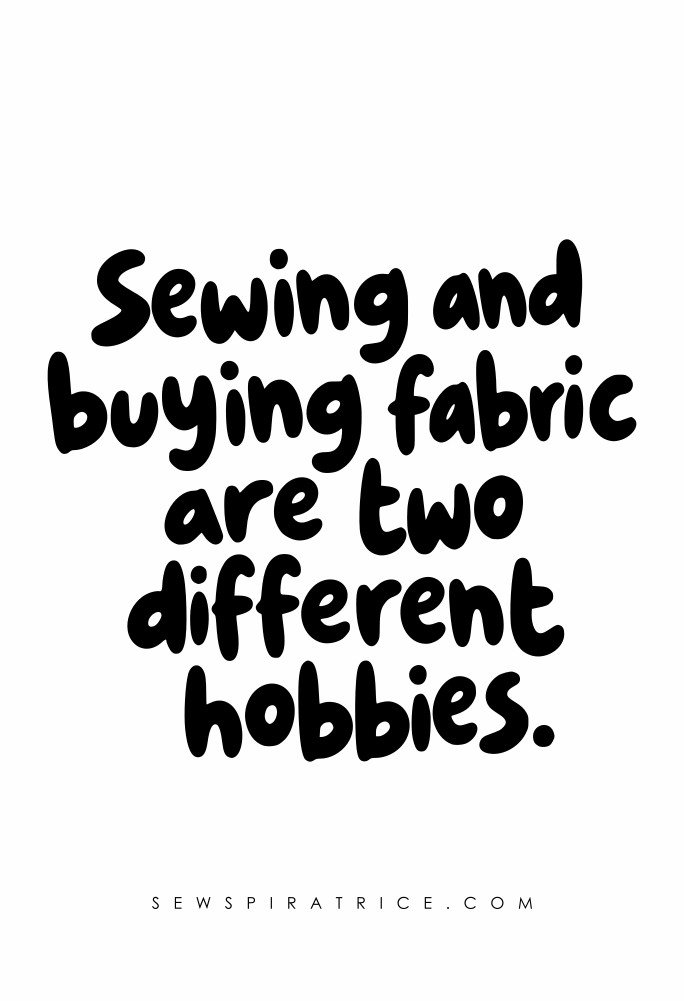
There is a running joke in the sewing and quilting communities that say something along the lines of, ‘Sewing and buying fabric are two different hobbies’. This is all said in good humour, to give us hobbyists a license to buy all the gorgeous fabric that is out there.
I have to say that I’ve considered myself somewhat exempt to this mindset as I tend to not make impulsive purchases when it comes to fabric. In fact, if my three designated storage bins are full of fabric, I’m not going to add more to my fabric stash.
My sewing workflow is typically Inspiration (Pinterest, magazines etc.), sewing pattern, then find fabric that goes with the pattern. And I thought that I was being pretty level-headed with my approach until a couple of months ago.
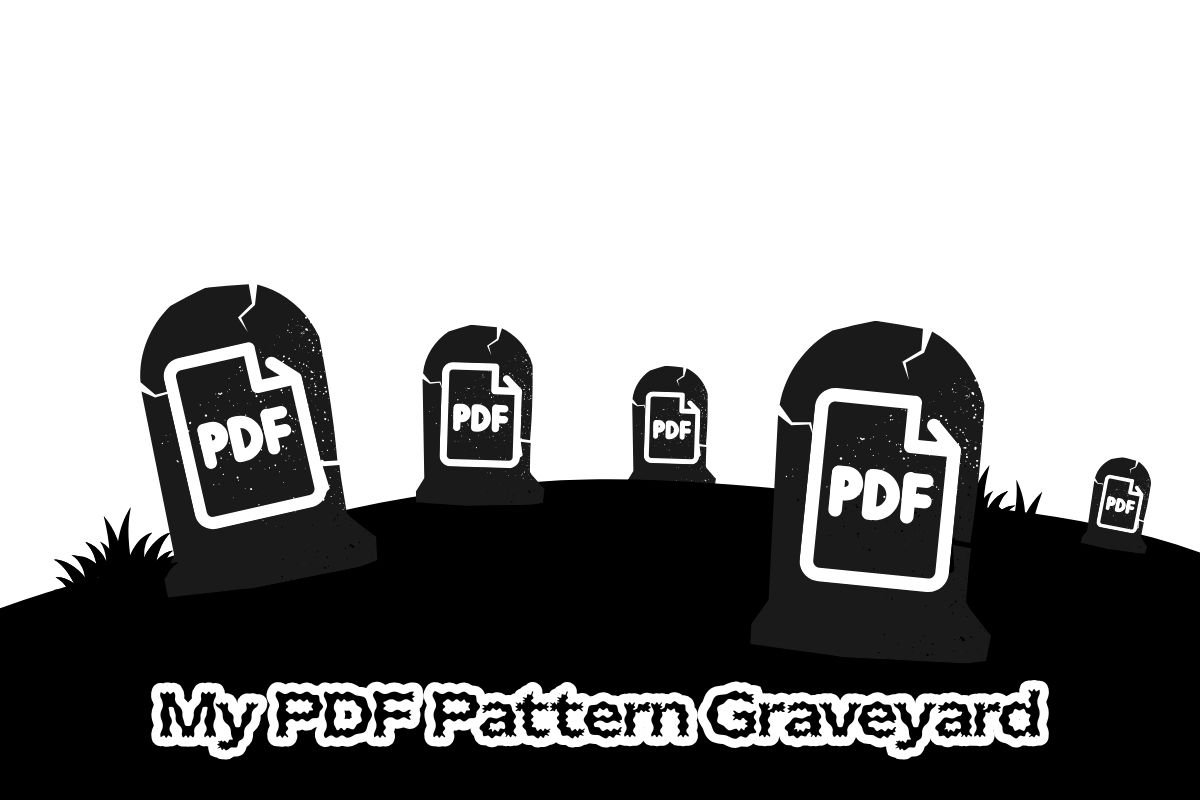
I recently found, after trying to do a little digital housekeeping, that I am sitting on a collection of unused and forgotten sewing patters, my own PDF sewing pattern graveyard 😭and this realisation gave me so much to think about.
I thought I was being mindful about buying sewing patterns
As I was downloading a recently purchased sewing pattern, I stumbled upon a list of all the sewing patterns I’ve purchased from one particular indie pattern company. Because I don’t have the disposable income for a full-year, all-access subscription pattern program, I typically subscribe for a single month whenever a newly released pattern catches my eye; then end my subscription. This has always felt like a cost-conscious strategy, since once a month passes, those patterns are locked behind the full-year tier.
But when I counted up the numbers of patterns I’d bought due to scarcity mindset, I literally winced. Out of the 11 patterns I’ve purchased from this company over time only 4 have been attempted and only 1 of these four never made it beyond a toile. The remaining 7 patterns have never been printed let alone opened.
The phenomenon of my buying patterns I’ve never made isn’t limited to that one indie company. I love a sewing pattern sale (esp Simplicity PDF pattern sales 😭), especially one that allows you to bundle patterns up. And so I’ve had to interrogate this buying behaviour.
Why buy a pattern if I had only have the notion of sewing it some vague day in the future? I think this has to do with scarcity mindset.
Whenever a sale hits or a time sensitive pattern drops, the brain can trick you into believing if you don’t grab the pattern now, you’ll lose the opportunity to get it at an affordable price later. This is somewhat true, but if you buy patterns you never even attempt, then the cost-cutting strategy is ineffective and it’s like pouring money down the drain.
It’s so easy to buy stuff for a fantasy self with unlimited energy and no shortage of time.
Why I don’t need a large sewing pattern stash
Sometimes I feel like an unproductive sewist when I’m on YouTube watching people share their monthly sewing wrap-ups featuring several items when I only sewed one or two things.
Realistically, I complete about one proper garment per month. This includes sewing a mockup(s), adjusting for fit and finally sewing pattern in a nice fabric I like. And as I browsed through my pattern stash, I realised that if I dedicated myself to making every unused PDF sitting on my PC, it would take me over a year to get through everything.
What is the true cost of a sewing pattern?
It’s tempting to look at a PDF pattern purchase as a minor, harmless transaction because it likely costs less than a meter of good fabric. But a pattern is never just the cost of the PDF itself.
When you buy a pattern, the assumption is that you will make a significant time and money investment. I’m talking
- Physical supplies: Fabrics, interfacings, threads, zippers, buttons, and trims etc.
- Time: Pattern assembly, cutting, sewing etc.
- Emotional energy: The frustration of getting the right fit (I hope I’m not the only one who goes through this)
When we buy patterns on a whim, we’re taking our hard-earned money and committing our future time to projects we might not even have the heart for when push comes to shove.
How I’m trying to buy sewing patterns more intentionally
I don’t have well thought out strategy to tackle overconsumption when it comes to sewing, but acknowledging the bad habit is the first step toward changing it. Moving forward, I would like to be more intentional about how I acquire sewing patterns in the following ways
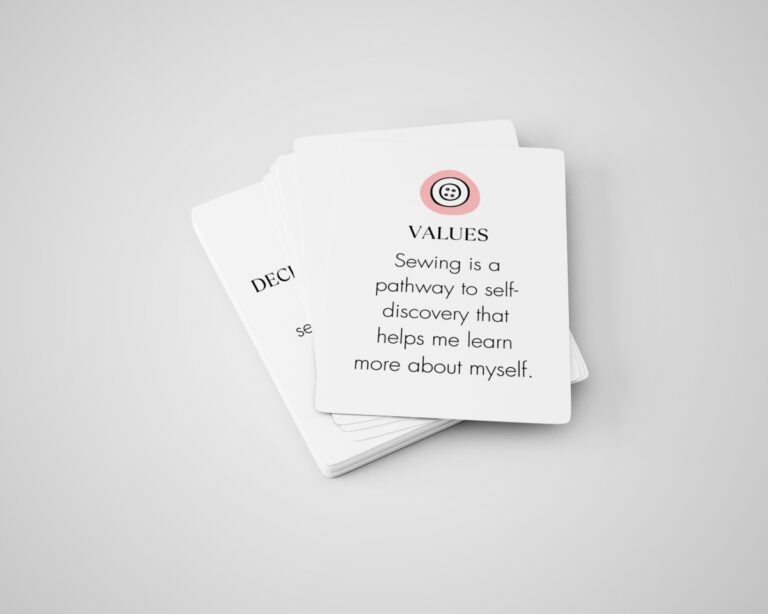
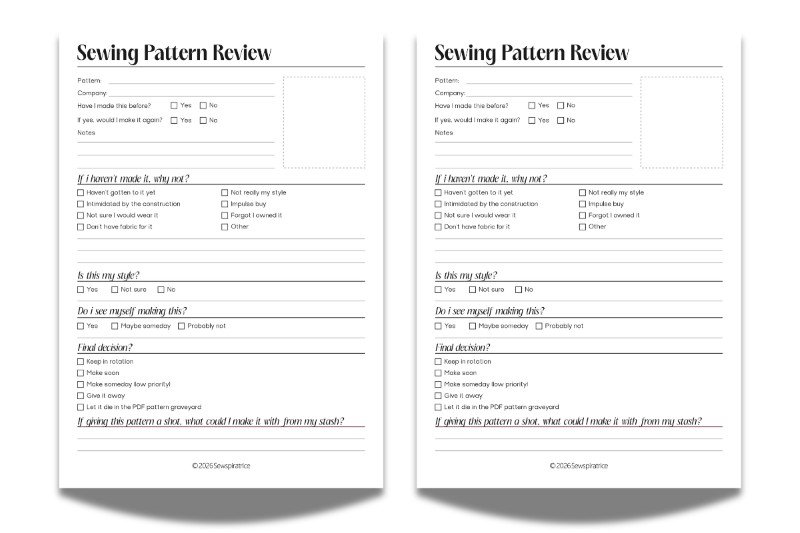
- Taking stock of my patterns: Here is the review sheet I made myself. If you like putting pen to paper, grab it below (please don’t redistribute the file itself). I’ve already used this review for several patterns and the process has given me so much clarity.
- Fabric before pattern or pattern before fabric?: Instead of buying a pattern and then hunting down fabric, I’m considering buying fabrics I truly like first, and only choosing (or purchasing a pattern) when I have the fabric in hand.
- Making use of what I already have: Most sewing patterns come with different views and options for necklines, sleeves etc. I will put more effort into stretching the value of the patterns I already own by exploring how I can switch them up.
- Resisting the sale panic: A discount isn’t really a deal if the pattern sits untouched in a folder for three years so I’m gonna pump the brakes on purchasing sewing patterns, no matter how good the deal sounds.
Sewing is a labor of love that costs us money, time and emotion. Moving forward, I want to ensure pattern stash reflects the patterns I truly want to make on not just impulse buys.
How do you manage your sewing pattern stash?
Let me know in the comments. How do you keep your PDF pattern library from getting out of control? Have you organised your digital patterns? Do you buy the pattern first or the fabric first? I’m quite keen to hear from you!