Do You Really Need to Sew a Mock Up? 8 Considerations to Help You Decide
What is a mock up/toile/muslin?
When I first started sewing, I quickly came across the term ‘toile’, which I mispronounced for quite a long time. It’s a word, I came to find, that is used interchangeably with ‘muslin’, ‘mock up’, ‘test garment’, and even ‘prototype’. Without getting into the weeds, I think we can all agree that these words refer to a trial version of a garment that is made using similar and/or inexpensive fabric to test the fit of a pattern before you sew your actual garment.
Some people make a toile by cutting the main fabric pieces and leaving out seam finishes and details like pockets (I love when Cashmerette referred to this as a ‘quick and dirty muslin’) while others follow every step of construction, as if they were making their final garment. As I said before, I don’t want to get deep into the details of how to sew a mock up (the preferred term I will use in the post), but rather the why and when. Before we get into these considerations, let me tell you about my most recent sewing fail.
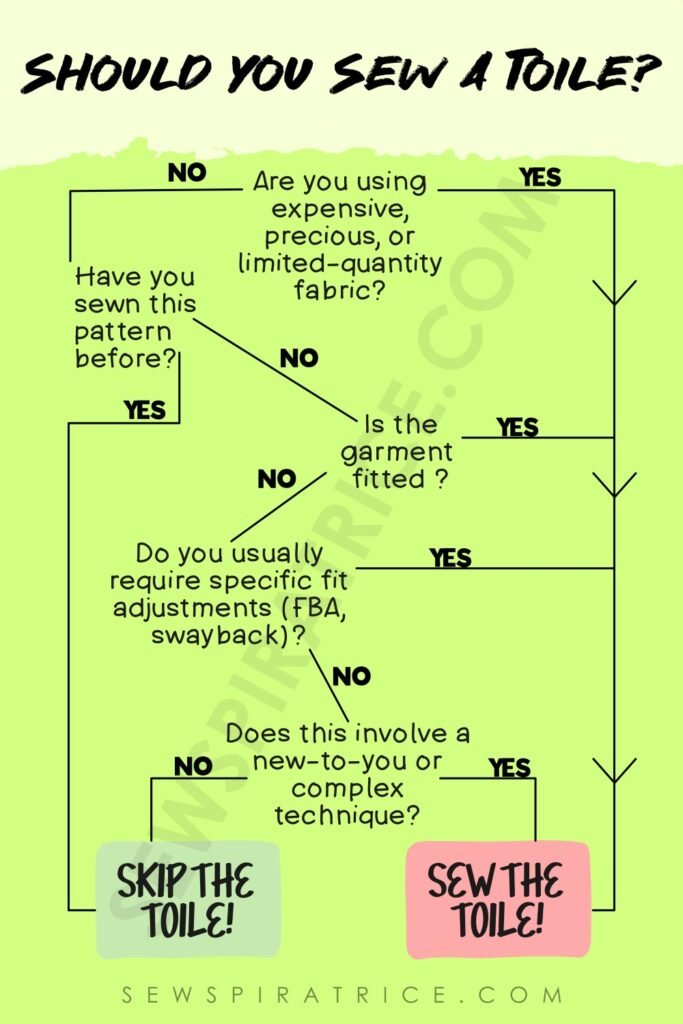
Why we hate sewing mock ups
I can’t think of a single person (in real life or online) who enjoys sewing a mock up. The process of sewing is stressful enough and most people enjoy the finished garment. So it makes sense that we would like to take the path of least resistance, which is to skip the mock up and hope for the best. Ps: check out my free printable wall art with a cheeky quote about toiles.
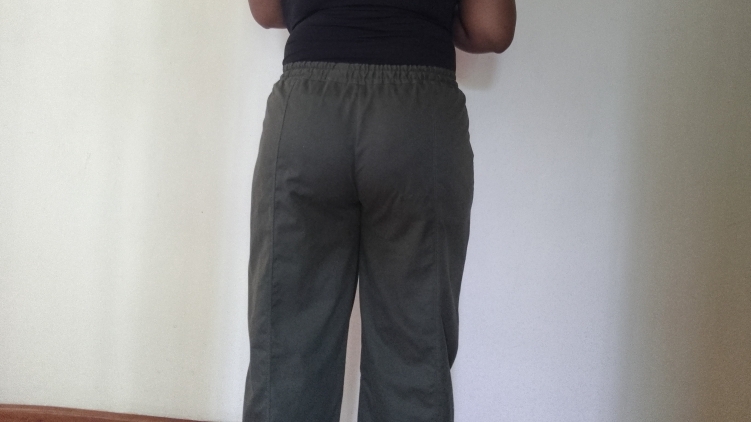
I recently sewed a pair of wide-legged, elasticated pants by Unfettered Patterns, a pattern I chose because I thought there was no way I could possibly get it wrong. It didn’t even cross my mind to sew a test version because the sizing matched my waist-to-hip ratio. I even used my precious green cotton twill (it’s the color I love so much) without a second thought and didn’t even think to fit as I sewed.
I only put on the trousers when I was ready to hem and to my great disappointment, they didn’t fit right. Honestly, I thought that they would have enough ease for me to not run into fit issues. Upon second thought, I should have inspected the rise and inseam before sewing, or just done a quick test version, maybe just down to the knee. Now I’m stuck with a beautiful pair of pants that I can’t wear comfortably because the back is too low and the crotch is a bit too tight (I’m also too attached to give them away).
So, in this blog post, I would like to address when sewing a mock up is worth it and when one can skip it while still maintaining a very high chance of sewing success.
When is sewing a mock up worth the effort?
Below are the considerations that I am choosing to walk through before committing to sewing a final garment. I’ve taken a few sewing L’s this year so I’ve had to really think through these.
1. Am I sewing a new pattern?
If I’ve never sewn the pattern before, I’m leaning heavily towards sewing a mock up. This is even more important to do if I’m working with a pattern from a company I am unfamiliar with. There are too many unknown variables with new patterns so I think it’s just best to sew a muslin.
I do think it helps to check the pattern hashtag on Instagram or go into Facebook groups to learn how the pattern fits and the common fit issues that people experienced. This is at least one way to calibrate and determine if a mock up is necessary. For example, with my next sewing pattern, the Joss Pants by Seamwork, I’ve learned from fellow sewists that there is a lot of ease included and that I might want to make adjustments to the crotch depth. Only a mock up will tell .
2. Have I modified the pattern significantly?
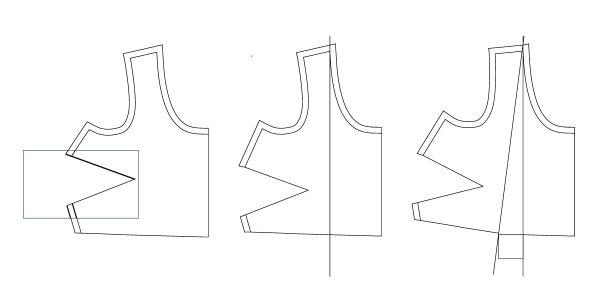
Maybe you’ve hacked your pattern or made other stylistic decisions. I would say that it’s wise to make a quick mock up. Patterns are designed so intentionally so unless you’re making simple changes like shortening and lengthening along the provided lines, you might want to check that everything is in place.
I recently turned the sleeveless bodice of the Cashmerette Upton dress into a camisole and had to make 3 mock ups (due to my ignorance of patternmaking)! I have since cut of these into rectangles for quilting later as I couldn’t use them again.
3. What type of garment am I sewing?
I’ve come to believe that certain garments call for a test garment. The first being pants! Many people go by the waist and hip measurements when choosing their size but there is more that goes into getting the right fit with pants. The rise, crotch curve and design ease play a huge role in how a trouser will fit you.
So for the next pattern I’m sewing, the Joss Pants by Seamwork, I will certainly be making a quick mock up using the top-down center-out method, which only requires that you sew one pant leg. I have scoured the web looking at how the pants fit other people so I already know the pants have a lot of ease and I might need some adjustments.
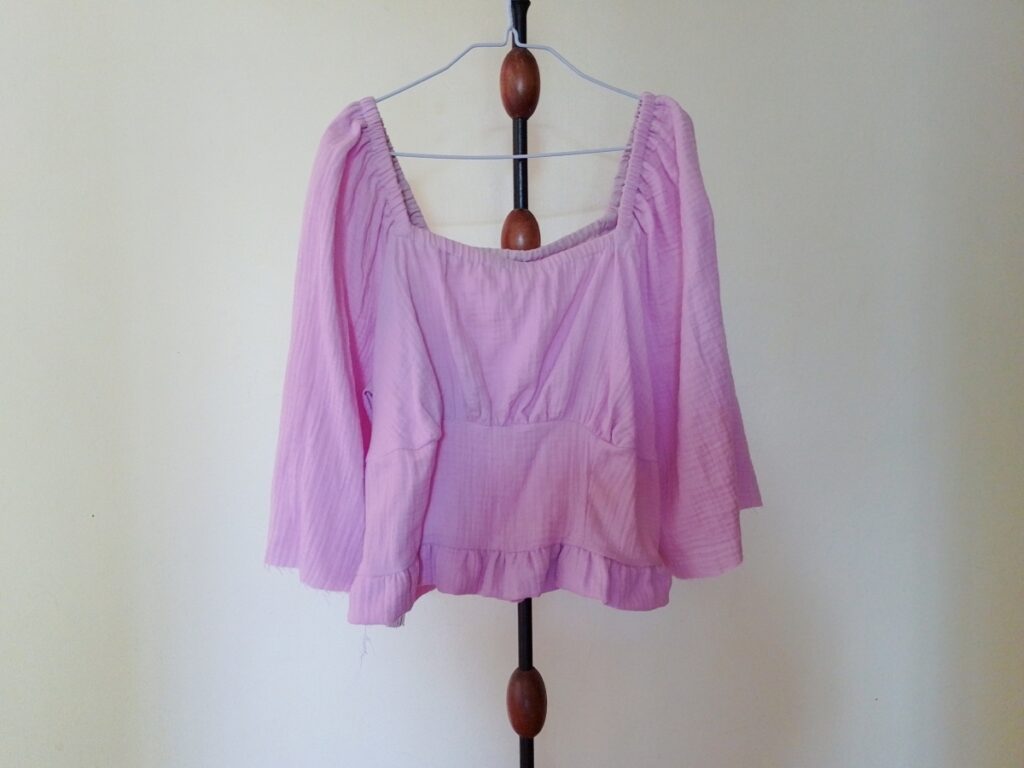
I will also be making a test garment of anything with a fitted bodice for obvious reasons. I need to know the bust apex and the position of the darts. This is simply best done by sewing a muslin and wearing it inside out.
I will say that throughout my sewing journey, when I’ve been sewing a dress, I’ve left out the skirt portion. If I do ever sew a fitted skirt, then I’ll certainly make a mock up.
I don’t sew mock ups for oversized garments with a loose fit. I think the risk of things going wrong is low, but at this point, I truly am open to being surprised by anything I sew.
4. Am I familiar with the sewing techniques involved?
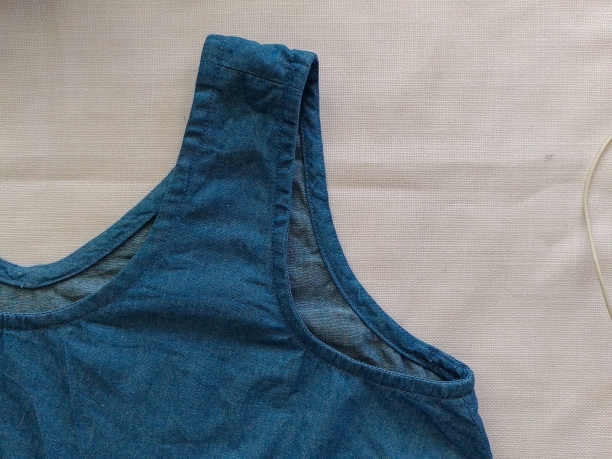
I recently sewed a camisole and decided to make a what is often referred to as a wearable toile. This was because I had never, up to that point, finished seams using the bias tape French method.
I made the camisole out of a lovely chambray, and while it turned out okay (wearable), I wasn’t too happy with the armscye and the back. I forgot to clip into the seam allowance, which resulted in a tight-looking armhole. The back neckline had a gentle V-shape and wasn’t rounded like the front was, so it also looks a bit funny in the back.
I wasn’t too disappointed because I’d made it knowing it was a mock up. This shows that test garments aren’t just for fit purposes but also help us try out new techniques that we’ve never used before.
5. Have I sewn with this type of fabric before?
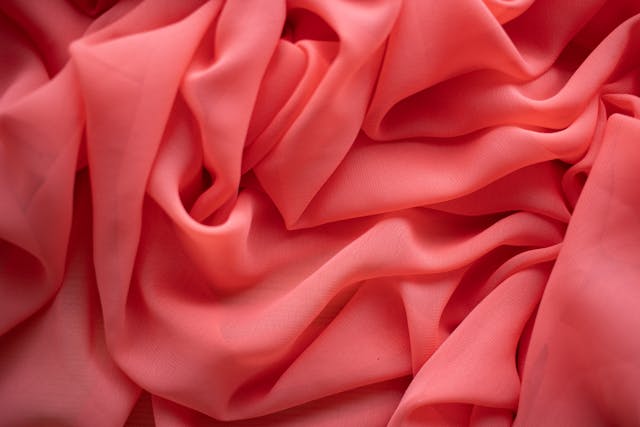
Closely related to point #3 is the fabric type consideration. I have never sewn chiffon fabric, but you can best believe I will be making a mock up. The same thing goes for wool.
Let’s make the decision more complex. Maybe you’ve sewn a pattern before, but you haven’t made it using a silky satin fabric that might be a bit tricky to handle. In this case, I personally would sew a mock up with a similar fabric, only because I can imagine the darts might need to be moved a bit. Also, if there is a pattern piece cut on the bias, the behavior of the fabric will be vastly different from what I’m used to.
I’d love to know what you would do in this scenario, so feel free to leave me a comment.
6. Am I using precious fabric I don’t want to waste?
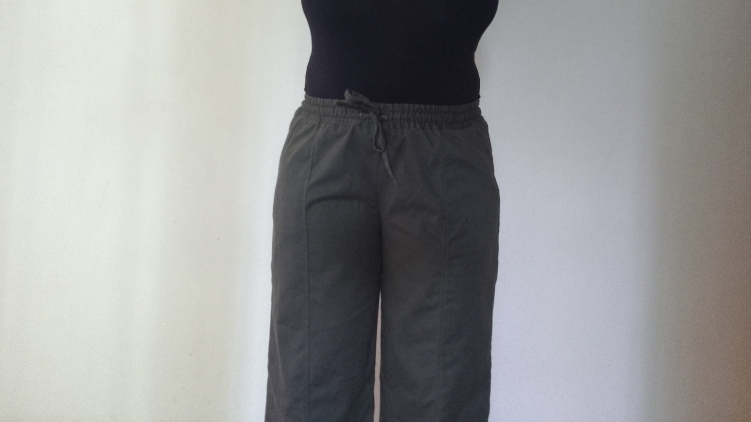
This is probably the biggest reason I should have made a muslin for the green cotton twill pants. It was the perfect shade of green. As I explained in my review of AliExpress sewing supplies, I’m still discovering where to source fabrics in my city. I’d kept this green shade of cotton twill in my stash for a long time, and I’m disappointed that I didn’t sew the perfect pair of pants with it.
7. Have my measurements or proportions changed significantly?
It is completely natural for our bodies to change. If it’s been a while since I last sewed a pattern, then I might sew a quick test garment.
I recently opted not to sew a mock up for the Sweet Pea blouse by Just Threads, even though I’ve gained quite a bit of weight since I last sewed the pattern. I had an existing version that still fit me due to the generous ease in the design, so I didn’t need to sew a new version of it.
8. Does the pattern assume an “average” body that isn’t mine?
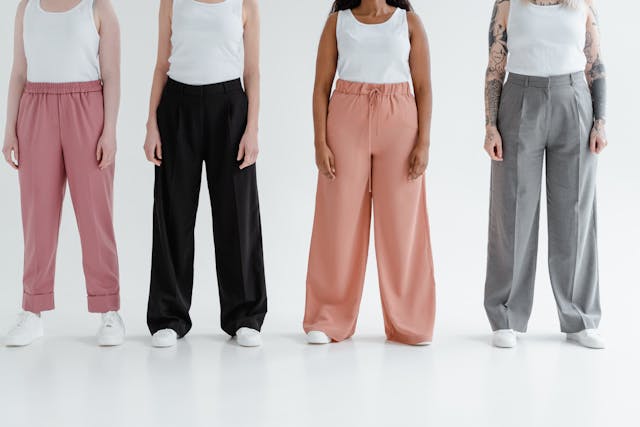
Our bodies are all different (even those who have similar body measurements will find this to be true), and most sewing patterns only accommodate a certain range of proportions. If I know that a pattern block doesn’t match my body well, then I’ll make a mock up.
Sometimes our unique body type calls for making a mock up. While it can feel like you’re paying the cost of not having the ‘average’ body type by having to use more fabric and labor, getting a better fit will be worth it in the end.
I love this quote by Barbara Deckert in Sewing for Plus Sizes:
When you make your own clothes, they only come in one size, and that’s the right size to fit your body.
Ps: You can find more wisdom like this in my post on 20 Inspiring Sewing Quotes for Sewists.
How to sew a mock-up without overthinking it
This isn’t a full tutorial, but here’s the gist of how I keep it simple:
- I use inexpensive fabric that has a similar weight and weave (usually just thrifted bedding).
- I usually skip facings, finishes, lining, pockets, and hems. I’ll typically trim off seam allowances and just stay stitch. That is, unless I haven’t tried the seam finish, as I explained earlier with the French bias binding method.
- Focus only on the areas where fit matters.
- Cut larger seam allowances if you think you might need wiggle room.
Closing thoughts
To answer the question, “Should I sew a mock up?”, simply, I would say: If the stakes are low, skip the toile. If they’re high, don’t.
I’m not trying to convince anyone that sewing a mock up is mandatory. But after taking a few unnecessary losses, I personally err on the side of sewing a mock up (or at least a wearable one). I would love to hear how you navigate making this decision, so please leave a comment below.